Process raw data onboard with satellite GPUs/NPUs before downlink, cutting latency and bandwidth pressure.
원시 데이터를 지상으로 모두 전송하기 전에 위성의 GPU/NPU에서 처리해 지연시간과 대역폭 부담을 줄입니다.

SpaceD redefines satellites from single-purpose machines into orbital datacenters. On the SDDS architecture we combine SDR, AESA, Agentic AI, and secure computing to turn communications, sensing, navigation, and edge AI into software-defined services. SpaceD는 위성을 단일 목적 장비에서 궤도 데이터센터로 재정의합니다. SDDS 아키텍처 위에 SDR, AESA, Agentic AI와 보안 컴퓨팅을 결합해 통신, 센싱, 항법과 엣지 AI를 소프트웨어 정의 서비스로 전환합니다.
The core paradigm — GPU/NPU-powered datacenter satellites in orbit.
GPU/NPU 기반 궤도 데이터센터 위성의 핵심 패러다임.
A radio layer that changes frequency, modulation, and protocol in software.
주파수, 변조와 프로토콜을 소프트웨어로 변경하는 유연한 무선 계층.
A multi-beam antenna layer for parallel comms, sensing, and relay.
통신, 센싱과 중계를 병렬 수행하는 다중 빔 안테나 계층.
A model delivering satellite capability through APIs and subscriptions.
위성 기능을 API와 구독 방식으로 제공하는 서비스 모델.
Like Starcloud's orbital-datacenter story and Cowboy Space's power-and-compute framing, SpaceD solves terrestrial bottlenecks by making space assets software-defined - power, thermal, communications, and sensing bound into one service layer.
SpaceD는 우주 자산을 소프트웨어 정의 방식으로 전환해 지상 인프라의 병목을 해결합니다. 전력, 열관리, 통신과 센싱을 하나의 서비스 계층으로 통합합니다.
Process raw data onboard with satellite GPUs/NPUs before downlink, cutting latency and bandwidth pressure.
원시 데이터를 지상으로 모두 전송하기 전에 위성의 GPU/NPU에서 처리해 지연시간과 대역폭 부담을 줄입니다.
Design comms, SAR, PNT, and relay as reconfigurable mission layers, not isolated satellites.
통신, SAR, PNT와 중계를 개별 위성이 아닌 재구성 가능한 임무 계층으로 설계합니다.
Update waveforms, beams, AI models, and security policy on orbit to extend asset life.
궤도에서 파형, 빔, AI 모델과 보안 정책을 업데이트해 자산의 수명을 연장합니다.
Move from one-off projects to repeatable revenue via APIs, subscriptions, and mission billing.
일회성 프로젝트에서 벗어나 API, 구독과 임무 단위 과금으로 반복 매출 구조를 만듭니다.
SpaceD places SDDS as the top-level architecture, SDR and AESA as mission-switching interfaces, and Agentic AI plus secure computing as the foundation for real-time decisions and trust.
SpaceD는 SDDS를 최상위 아키텍처로, SDR과 AESA를 임무 전환 인터페이스로, Agentic AI와 보안 컴퓨팅을 실시간 의사결정과 신뢰의 기반으로 구성합니다.
Software-Defined Datacenter Satellite. High-performance compute and virtualization turn the satellite into an orbital server.
Software-Defined Datacenter Satellite. 고성능 컴퓨팅과 가상화로 위성을 궤도 서버로 전환합니다.
Reduce rigid RF hardware and switch bands, modulation, and protocols by mission demand.
경직된 RF 하드웨어 의존도를 줄이고 임무 수요에 따라 대역, 변조와 프로토콜을 전환합니다.
Electronic steering and digital beamforming deliver comms, SAR, and relay across regions at once.
전자식 조향과 디지털 빔포밍으로 여러 지역에 통신, SAR와 중계를 동시에 제공합니다.
Detect, classify, prioritize, and operate constellations onboard before ground intervention.
지상 개입 전에 위성에서 직접 탐지, 분류, 우선순위 결정과 군집 운용을 수행합니다.
Protect electronics, compute modules, and payloads for reliable operation in radiation-heavy orbits.
방사선 환경에서도 전자부품, 컴퓨팅 모듈과 페이로드가 안정적으로 작동하도록 보호합니다.
Encrypted links, access control, anti-jamming, and data protection built into the service.
암호화 링크, 접근 제어, 대재밍과 데이터 보호를 서비스의 기본 계층으로 포함합니다.
The structure is simple. SDDS is the operating system for orbital infrastructure; XaaS opens the layer where customers subscribe to or call capabilities through APIs.
구조는 단순합니다. SDDS가 궤도 인프라의 운영체제 역할을 하고, 그 위에서 고객이 필요한 기능을 구독하거나 API로 호출하는 XaaS가 작동합니다.
The spacecraft becomes a platform; onboard compute and RF/AESA process multiple missions at once.
위성체는 플랫폼이 되고, 탑재 컴퓨팅과 RF/AESA 계층이 여러 임무를 동시에 처리합니다.
Missions aren't fixed before launch; on-orbit updates switch between comms, sensing, navigation, and AI.
임무는 발사 전에 고정되지 않습니다. 궤도 업데이트를 통해 통신, 센싱, 항법과 AI 사이를 전환합니다.
Customers use data, connectivity, compute, and navigation as services without owning the satellite.
고객은 위성을 소유하지 않고 데이터, 연결성, 컴퓨팅과 항법 기능을 서비스로 사용합니다.
As the constellation scales, service combinations and availability scale with each satellite's versatility.
위성군이 커질수록 각 위성의 다목적성을 기반으로 서비스 조합과 가용성도 함께 확장됩니다.
XaaS is SpaceD's business model. Governments, enterprises, and research institutions repeatedly use satellite capability without building and launching their own infrastructure.
XaaS는 SpaceD의 사업 모델입니다. 정부, 기업과 연구기관이 자체 인프라를 직접 개발하고 발사하지 않고도 위성 기능을 반복적으로 이용할 수 있게 합니다.
Preprocess SAR, optical, and RF data with onboard AI to deliver change detection and analysis.
SAR, 광학과 RF 데이터를 탑재 AI로 전처리해 변화 탐지와 분석 결과를 제공합니다.
DTC, broadband, tactical comms, and inter-satellite links as configurable connectivity.
DTC, 광대역, 전술 통신과 위성 간 링크를 필요에 따라 구성 가능한 연결성으로 제공합니다.
Allocate orbital GPU/NPU to edge AI, mission automation, and data compression/analytics.
궤도 GPU/NPU 자원을 엣지 AI, 임무 자동화와 데이터 압축·분석 작업에 배정합니다.
Augment positioning, navigation, and timing for autonomy, drones, and defense with LEO signals.
저궤도 신호로 자율 시스템, 드론과 국방 운용을 위한 위치, 항법과 시각 정보를 보강합니다.
Rockets are transportation. Durable value comes from the data and services orbital servers process. SpaceD treats satellites as updateable platforms and commercializes the apps and APIs on top.
로켓은 운송 수단이고 지속적인 가치는 궤도 서버가 처리하는 데이터와 서비스에서 나옵니다. SpaceD는 위성을 업데이트 가능한 플랫폼으로 보고 그 위의 애플리케이션과 API를 사업화합니다.
Analyze sensing data before downlink to detect disaster, security, and infrastructure change at very low latency.
관측 데이터를 지상 전송 전에 분석해 재난, 안보와 인프라 변화를 매우 낮은 지연시간으로 탐지합니다.
Strong LEO signals complement vulnerable GNSS for precise navigation.
강력한 저궤도 신호로 취약한 GNSS 구간을 보완하고 정밀 항법을 지원합니다.
Connect directly to smartphones where ground stations are absent or damaged.
지상 기지국이 없거나 손상된 지역에서도 스마트폰과 직접 연결합니다.
Combine encrypted routing with anti-jamming to raise resilience for mission-critical comms.
암호화 라우팅과 대재밍 기술을 결합해 임무 핵심 통신의 회복탄력성과 신뢰성을 높입니다.
Meet the leadership and advisors building SpaceD's software-defined orbital infrastructure.
SpaceD의 소프트웨어 정의 궤도 인프라를 만들어 가는 리더십과 자문단을 소개합니다.
Strategy, research partnerships, and commercialization.
전략, 연구 협력과 사업화를 총괄합니다.

A South Korean aerospace engineer whose work spans structural analysis, satellite systems and national space programs. He served as president of the Korea Aerospace Research Institute and founded SpaceD in November 2024.
구조해석, 위성 시스템과 국가 우주개발 사업을 이끌어 온 대한민국의 항공우주공학자입니다. 한국항공우주연구원 원장을 역임했으며 2024년 11월 SpaceD를 창업했습니다.
Computational engineering, HPC, and AI infrastructure leaders advising SpaceD's technology direction.
계산공학, 고성능 컴퓨팅과 AI 인프라 전문가들이 SpaceD의 기술 방향을 자문합니다.
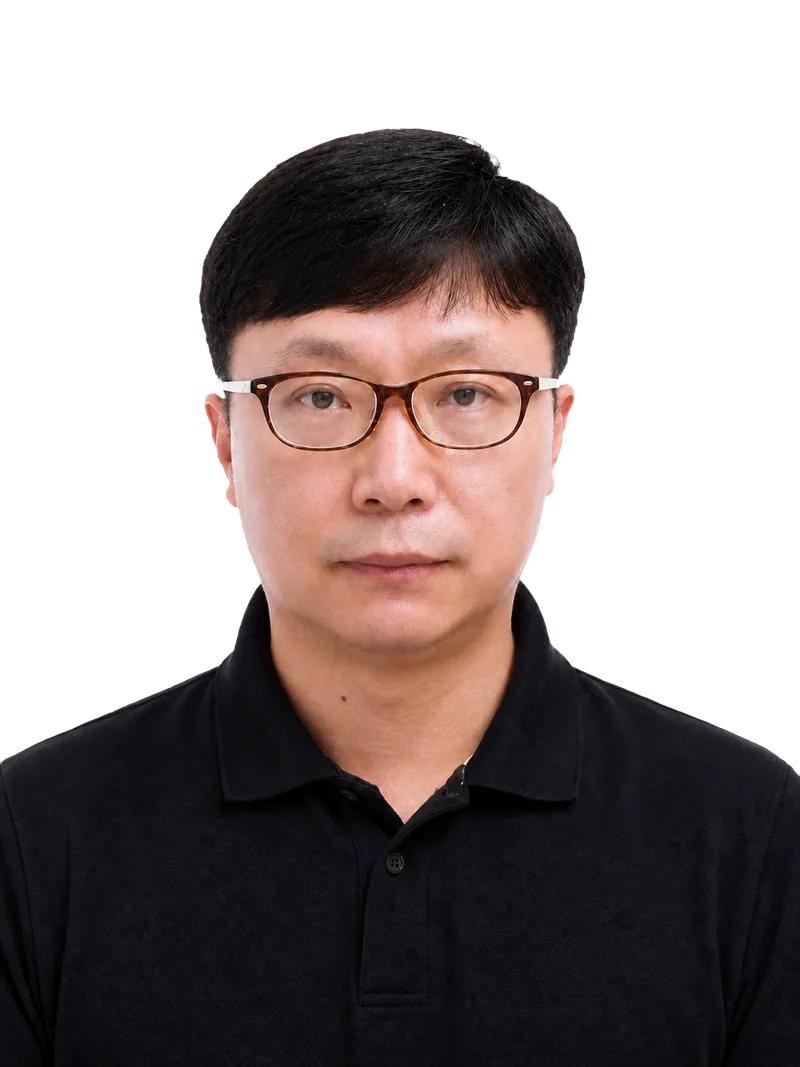
An IT systems architect and technology strategist who spent 22 years at Samsung Electronics leading very large enterprise systems and next-generation platform innovation. He now heads business strategy and technology vision across AI, HPC, cloud and next-generation computing at DAWON Computing, with a focus on large-scale GPU-based AI infrastructure.
22년간 삼성전자에서 초대형 엔터프라이즈 시스템과 차세대 IT 플랫폼 혁신을 이끌어 온 IT 시스템 아키텍트이자 기술 전략가입니다. 현재는 ㈜다원컴퓨팅에서 AI, HPC, 클라우드와 차세대 컴퓨팅 분야의 사업 전략과 기술 비전을 총괄하며 대규모 GPU 기반 AI 인프라 사업화를 추진하고 있습니다.
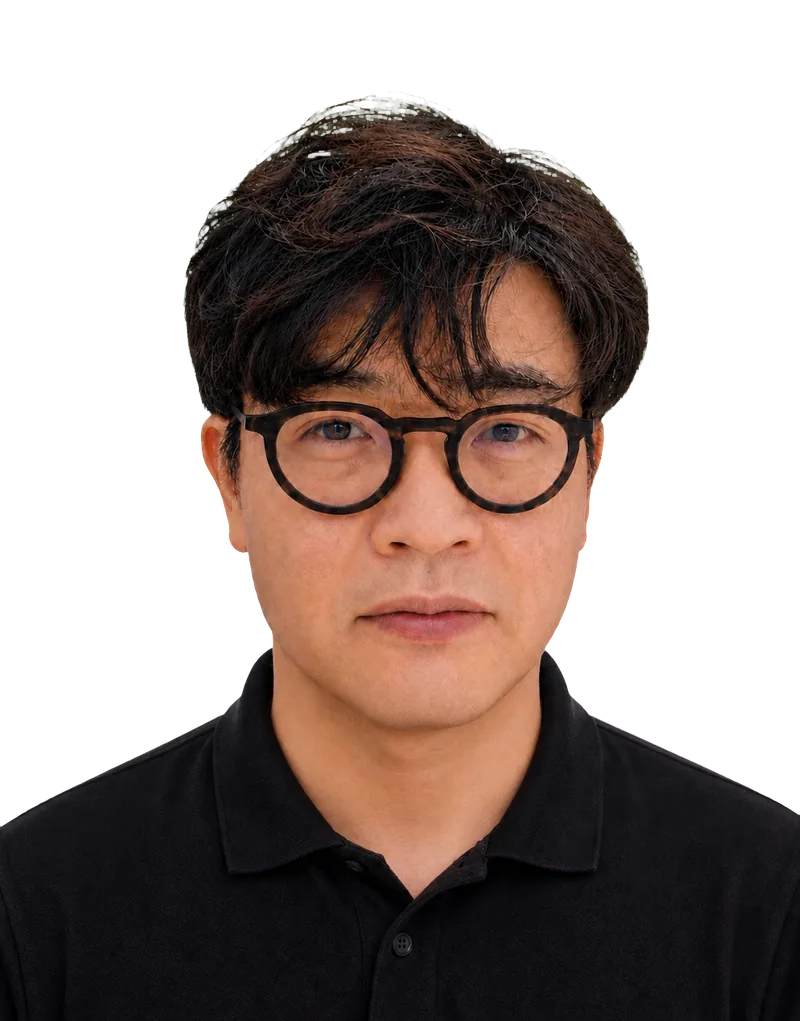
A computational engineering specialist whose career runs from aerospace structural analysis through distributed computing to AI infrastructure. He led development of three commercial finite element solvers and now directs advanced research in Graph-RAG and agentic AI systems. An amateur astrophotographer, he has had images selected as AstroBin's Image of the Day.
항공우주 구조해석에서 출발해 분산 컴퓨팅과 AI 인프라로 연구 영역을 넓혀 온 계산공학 전문가입니다. 세 개 상용 유한요소해석 solver 개발을 주도했으며, 현재는 Graph-RAG와 Agentic AI 시스템의 선행 기술 개발을 이끌고 있습니다. 아마추어 천체사진가로서 촬영한 이미지가 AstroBin의 Image of the Day에 선정된 바 있습니다.
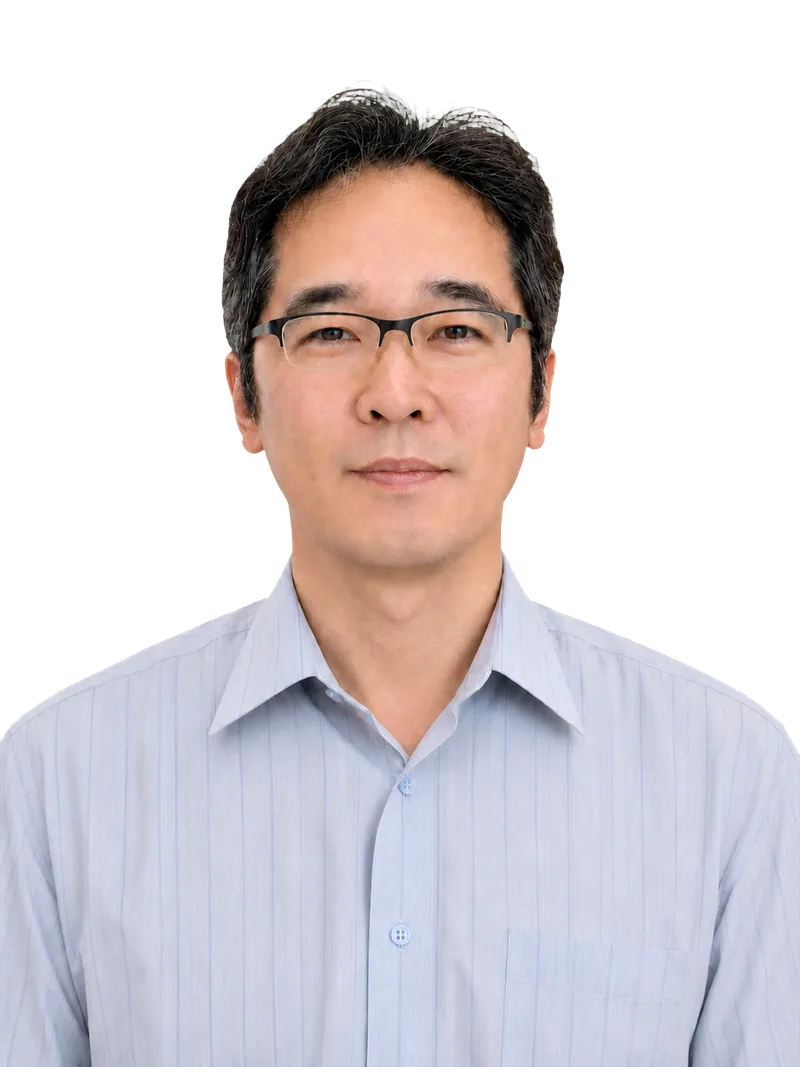
A CAE software and finite element method specialist with more than 20 years of research and development experience. He played a leading role in the midasFEA and midas NFX platforms and has led R&D organizations across structural analysis, CFD, optimization and fluid-structure interaction. He now works on Engineering AX and RAG-based engineering knowledge systems.
20년 이상 CAE 소프트웨어와 유한요소해석(FEM) 분야에서 연구개발을 수행한 기술 전문가입니다. midasFEA, midasNFX 등 핵심 CAE 플랫폼 개발을 주도했고 구조·유동·최적화·다물리 연성(FSI) 연구개발 조직을 이끌었습니다. 최근에는 엔지니어링 AX와 설계지침 기반 RAG 시스템으로 전문 영역을 넓히고 있습니다.
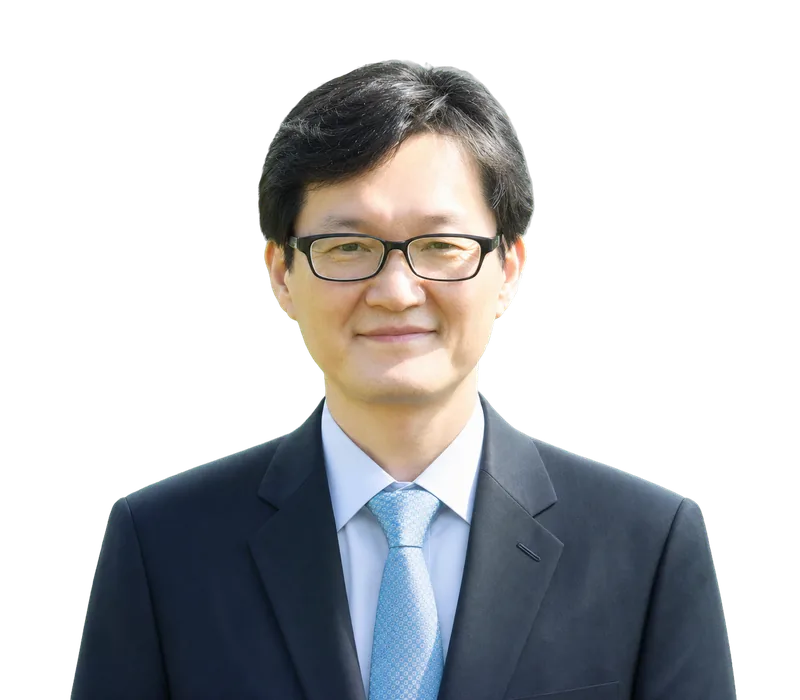
An aerospace structures researcher who leads the Laboratory for Aerospace Structures and Computational Engineering Technology (ASCENT) at Inha University. His work spans finite element program development, fluid-structure interaction, the structural integrity of hypersonic vehicles, and machine learning applied to structural analysis.
인하대학교 항공우주구조연구실(ASCENT)을 이끄는 항공우주 구조 연구자입니다. 유한요소 프로그램 개발, 유체-구조 연성 해석, 극초음속 비행체의 구조 건전성, 그리고 구조해석에 적용하는 기계학습을 연구합니다.
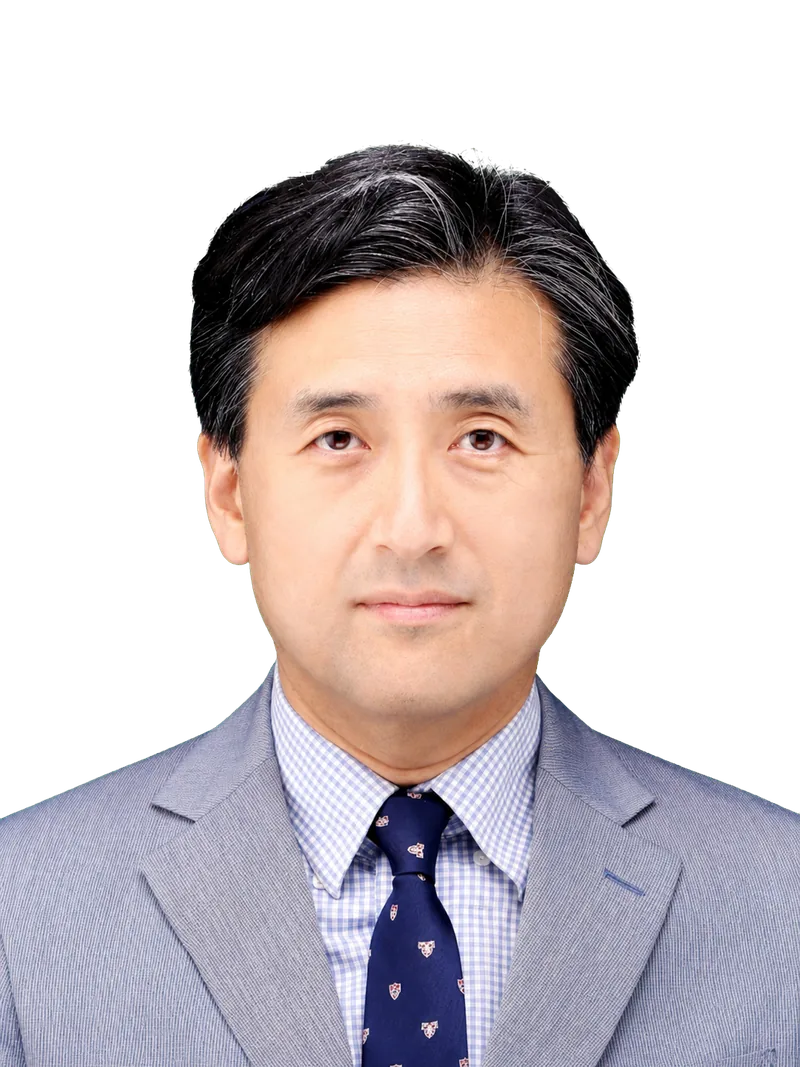
A computational mechanics researcher who spent nearly a decade at the KISTI Supercomputing Center before joining Inha University. His work covers parallel computing for large-scale analysis, thermal simulation of metal additive manufacturing, satellite thermal model correlation, and AI-based structural fault diagnosis.
KISTI 슈퍼컴퓨팅센터에서 약 10년간 근무한 뒤 인하대학교로 옮긴 계산역학 연구자입니다. 대규모 해석을 위한 병렬 컴퓨팅, 금속 적층제조 공정의 열해석, 위성 열해석 모델 보정, AI 기반 구조 결함 진단을 연구합니다.
We're looking for research, industry, and defense partners to validate an orbital datacenter satellite platform combining SDDS, SDR, AESA, and Agentic AI. SDDS, SDR, AESA와 Agentic AI를 결합한 궤도 데이터센터 위성 플랫폼을 함께 검증할 연구, 산업과 국방 파트너를 찾고 있습니다.